

Sound Mind Christian Counselling
Autism counselling in Abbotsford and online across BC
A lot of counselling asks you to do the very things that are hardest: sit in a bright room, make eye contact, find the right words on the spot, and explain a mind that doesn't work like the counsellor's. That's not how it works here. I counsel autistic men and young men — and work with parents of autistic boys and teens — in a way that starts from how you actually think, communicate and experience the world, and adjusts to you rather than asking you to adjust to it.
Counselling for autistic men and young men, with room to be yourself.
Many of the autistic men I see are holding down jobs, marriages and families — and paying a price for it that nobody sees. They spend the workday monitoring how they're coming across, translating what people actually mean, and pushing through noise, light and interruption. Then they come home with nothing left, and the people closest to them get the exhausted version. Parents of autistic teens describe a version of the same thing: a son who holds it together at school all day and falls apart the moment he's through his own front door.
You might be recently diagnosed and re-reading your whole life. You might have known since childhood. You might be a father who recognised himself while sitting in his son's assessment feedback meeting. Or you might be a parent looking for someone who understands your boy and will talk to you straight about what's going on.
Wherever you're starting from, counselling here begins with your experience as it is — not with an attempt to make you more like everybody else. Read more about autistic burnout and masking in men. Parents may also find supporting an autistic teen at school worth a read.
Support for autistic overwhelm, burnout and relationships.
-
The open-plan office. Fluorescent lights that hum. A grocery store at five o'clock on a Friday. For a lot of autistic men the world is simply louder, brighter and busier than it is for other people, and there's a real cost to pushing through it. We'll identify the environments that drain you fastest and work on what can actually change — boundaries, adjustments, recovery time, and how to ask for what you need.
-
If you perform all week — at work, in meetings, at family dinners — and then lose your whole weekend recovering from it, that's worth taking seriously. Autistic burnout is not ordinary tiredness, and it doesn't fix itself with a holiday. We look at where the energy is going, what's non-negotiable and what isn't, and how to build a pace you can actually sustain.
-
A cancelled plan, a new manager, a rearranged classroom, a road closure on the route you always take. Change that other people shrug off can cost you a day. We'll talk through the situations that knock you sideways and work on making them more predictable where we can — and survivable where we can't.
-
You say something plainly and it's heard as rude. You need time alone and it's heard as rejection. You miss a signal everyone else seemed to get, and it follows you for days. We'll work through the specific misunderstandings that keep recurring — with a partner, with family, at work — and build clearer ways of communicating what you actually mean and need.
-
Rehearsing a phone call before you make it. Monitoring your face during a conversation. Copying what the men around you do with their hands, their voices, their small talk. Masking gets many autistic men through school and into jobs — and it is exhausting, and over years it can cost you any clear sense of who you are without it. Counselling is one place you don't have to do it. We can look at where masking serves you, where it's harming you, and where you want more room to be yourself.
-
Asking for an adjustment at work. Telling your family the gathering is too much. Saying no. If your needs have been dismissed or mocked in the past, asking again is hard. We'll get specific about what your limits and preferences actually are, and practise saying them in a way that gives you the best chance of being heard.
Experience that informs your support
Autism counselling informed by special education experience.
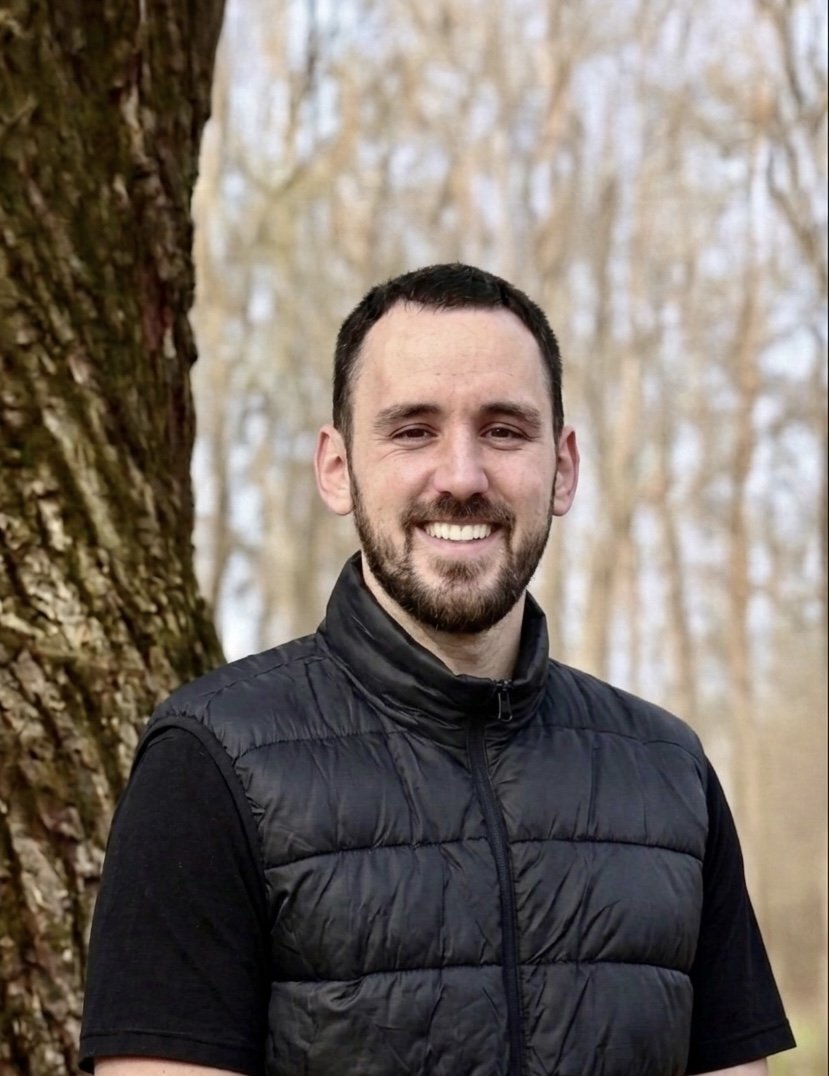
I'm Joshua Abercrombie, a Registered Clinical Counsellor in Abbotsford. Before this practice, I spent over a decade as a high school counsellor and special education teacher. I have written the plans, sat in the school meetings, and worked day in and day out with autistic boys and young men — and with the parents advocating for them. That background shapes this work more than any single technique does.
In practice, it means a few concrete things. Sessions have a predictable shape, and you'll know what it is. If you think better with things written down, we'll write things down. If a question needs time, you get time — silence while you process is not a problem to be fixed. Parents: I can meet with you about your son, with or without him in the room, and I'll tell you plainly what I'm seeing and what I'd suggest.
My Christian faith is central to my life and work, and I believe Jesus Christ is the path to healing.
Some autistic men have had painful experiences in churches — services that are a sensory assault, small groups built entirely on unspoken social rules, or being told their struggles are a faith problem. If that's part of your story, it belongs in the room, and we can talk about it honestly. If you'd like prayer or scripture to be part of our work, they can be.
And if you'd rather faith stayed out of it entirely, that's your call. I welcome men and young men of all faiths or none, and faith is only included in sessions if you'd like it to be.
Counselling that fits you
Autism counselling that respects your needs and experience.
You may have a formal autism diagnosis, identify as autistic, or still be working out whether autism explains your experience. All three are fine starting points. We begin with what's bringing you here, without making assumptions about a diagnosis.
Before we settle into the work, we'll talk about how you communicate best, any sensory concerns with the office or with video calls, and how much structure you find helpful. There's room to take time processing questions and to find your words. You don't need to make eye contact to show that you're engaged.
This service is counselling support, not autism assessment or diagnosis. If you're seeking an assessment, I can help you look at appropriate providers, possible funding and additional support — and, where it would help, I can liaise with other agencies on your behalf.
Looking for support for a boy or young man ages 9–18? Explore youth counselling.
Your next steps
Getting started with autism counselling.
1. Book a free consultation
A 20-minute phone call — with you, or with a parent. Tell me what you're looking for, and tell me anything that would make sessions easier: lighting, structure, written summaries, a quieter pace. Ask me anything about how I work. No pressure to book further.
2. Our first session
Low-key, and on your terms. We'll set how we'll work together — how much structure, how we'll handle breaks, whether you want an agenda in advance — and start with whatever feels most pressing, at whatever speed suits you.
3. Work at a pace you can sustain
We work on the things you chose: recovering from burnout, getting through school or workdays with less cost, relationships, understanding yourself better. We review how it's going and adjust the approach whenever something isn't working for you.
Using Your Autism Funding
If your son has Autism Funding through the BC Autism Funding program, you may be able to use it toward family counselling at Sound Mind. Registered Clinical Counsellors are eligible providers for family counselling/therapy under Autism Funding, for both the Under Age 6 and the Ages 6–18 programs.
Here's how it works: your family submits a Request to Pay naming me as your provider. Once the Autism Funding Branch approves it, I invoice the Branch directly for our sessions — you don't pay out of pocket for authorized sessions. Sessions need to start after the approval is in place, so it's best to begin the paperwork before our first funded session.
Not sure where to start? Book a free consultation and I'll walk you through it.
In person in Abbotsford & Online across BC
Start with a free autism counselling consultation.
Sessions are 50 minutes and $150, held upstairs at the House of James in Abbotsford — 2743 Emerson Street, Office 2 — or online anywhere in BC. I see autistic men, teens and families from across the Fraser Valley, including Mission, Chilliwack, Langley and Maple Ridge. You're welcome to ask questions about how I work before deciding anything. The first step is a free 20-minute consultation — tell me what you need sessions to look like, and we'll see whether I'm the right person to help.
Sound Mind Christian Counselling · 2743 Emerson Street, Office 2, Abbotsford, BC · (604) 230-1363