

Youth and teen counselling in Abbotsford and online across BC
Most boys don't announce that they're struggling. They go quiet. They stop coming out of their room. Homework that used to take twenty minutes now ends in a shutdown or a blowup. I offer counselling for boys and young men ages 9–18 — for anxiety, low mood, school stress, friendships, family changes, and the everyday weight of growing up, including boys and young men with ADHD or autism.
Support when growing up feels overwhelming.
You may have noticed your son withdrawing, snapping more easily, or dreading school in a way he didn't before. Maybe the teacher's emails have started coming. Maybe conversations at home keep ending the same way, and you've run out of ways to reach him.
Here's what I hear from parents most often: "He won't talk to us." That's normal. A lot of boys who won't say ten words to their parents will talk to someone who isn't part of the family, isn't part of the school, and has no stake in the argument at home. That's a big part of what counselling gives him — one adult in his corner who isn't grading him, disciplining him, or worried about him.
He doesn't need to arrive knowing what's wrong, and he doesn't need to perform. Some boys talk the whole session. Some take three sessions to warm up. Both are fine.
Counselling for youth and teens in Abbotsford
I work with boys and young men ages 9–18, in person at my office in Abbotsford or online anywhere in BC. Parents and caregivers are welcome to start with a free 20-minute consultation — tell me what you're seeing, ask me anything, and we'll decide together whether I'm the right fit for your son. If what your family needs is bigger than one-on-one work with him, see family counselling.
Youth counselling for emotions, school and relationships
-
Some boys worry constantly — about school, about friends, about things going wrong — and some just feel it in their stomach every morning. We work on naming what's actually scaring him and building ways to face it in small, manageable pieces instead of avoiding it altogether.
-
Anger, sadness, and frustration often come out sideways in boys: a slammed door, tears he's embarrassed by, a fight that was really about something else. In session he gets room to slow that down — to figure out what he was actually feeling before it exploded, and what to do with it next time.
-
Missing assignments, school refusal, a growing pile of work he can't face starting. Before he was a counsellor, I spent years in schools, so I know how this looks from the inside. We look at what's genuinely getting in the way — overwhelm, executive functioning, a class that's a bad fit — and build a plan that fits him, not an ideal student.
-
Friendships shift fast at this age. Being dropped by a group, eating lunch alone, conflict he doesn't know how to repair — it lands harder than adults usually realise. We talk honestly about what's happening socially and work on connection and boundaries in a way that doesn't ask him to be someone he isn't.
-
Neurodivergent boys often spend the whole school day holding it together and fall apart at home, where it's safe. Sessions here are built around how he actually communicates and learns — sensory needs, processing time, and structure included. You don't need to make eye contact to show you're engaged, and he won't be asked to either.
-
Separation, a move, a new sibling, a parent working away — or just a house where every conversation turns into a standoff. Counselling gives him a place to say what the change is like from his side, and to find words for what he needs from the people who love him.
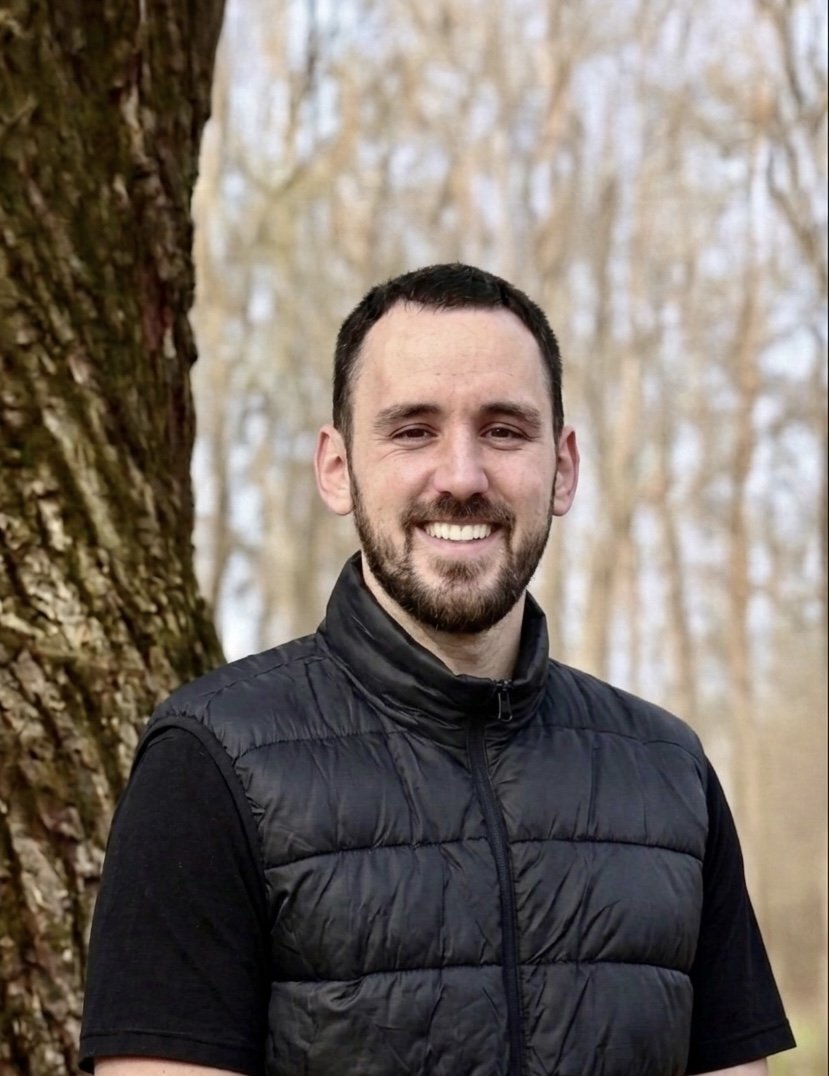
Meet Josh
Youth counselling informed by over a decade in schools.
I'm Joshua Abercrombie, a Registered Clinical Counsellor in Abbotsford. Before private practice, I spent over a decade in schools as a high school counsellor and special education teacher. That matters here: I know what a school day actually demands of a boy, what an IEP meeting looks like from the other side of the table, and how often a "behaviour problem" is really an overwhelmed kid.
My background includes working with Individual Education Plans (IEPs). Where it's helpful, we can talk about how school supports line up with what we're working on in counselling, and — with your consent — coordinate with the other people involved in your son's care.
With the boys themselves, my approach is straightforward: honest conversation, no lectures, and practical things to try between sessions. I'll meet him where he is — some boys talk best side by side on a walk rather than face to face across a room, and we can discuss that option too.

Working together
Space for their voice, with thoughtful caregiver involvement.
Your son needs room to speak for himself — that's rather the point. You'll be involved, but in a way we agree on together at the start: we'll talk through consent, privacy, and the limits of confidentiality so everyone knows exactly what to expect. In practice, that usually means I share themes and progress with parents, not transcripts.
Between sessions, I'll flag simple things you can do at home to back up what he's working on — without turning you into his therapist.
Faith: My Christian faith is central to my life and work, and I believe Jesus Christ is the path to healing. For boys and families who share that faith, it can be part of our work together when it's meaningful to the young man himself. I welcome boys and families of all faiths or none, and faith only enters the room if he wants it there.
Your next steps
Getting started with youth and teen counselling.
1. Book a free consultation
We'll have a 20-minute conversation — usually with a parent first — about what you're noticing and what you're hoping for. Ask me anything about how I work. Sessions are $150 for 50 minutes.
2. He settles in
The first session is mostly about getting comfortable. No interrogation, no pressure to tell his whole story. We'll talk about what brings him here and what he'd like to be different — in his words, not just yours.
3. We build from there
Session by session, we work on the feelings, school pressures, and relationships that are hardest right now, and he leaves with things he can actually use during the week. I'll keep you in the loop on how it's going.
Ages 9–18 · In Abbotsford and online across BC
Start with a free youth counselling consultation.
If you're wondering whether counselling could help your son, the consultation is a low-pressure place to start: tell me what you're seeing, and I'll tell you honestly whether I think I can help — and if I'm not the right fit, I'll say so. Young men are welcome to reach out with questions of their own, too.
My office is upstairs at the House of James, 2743 Emerson Street, Office 2, in Abbotsford. I see families from across the Fraser Valley, including Mission, Chilliwack, Langley, and Maple Ridge, and I meet boys online anywhere in BC.
Sound Mind Christian Counselling · 2743 Emerson Street, Office 2, Abbotsford, BC · (604) 230-1363